
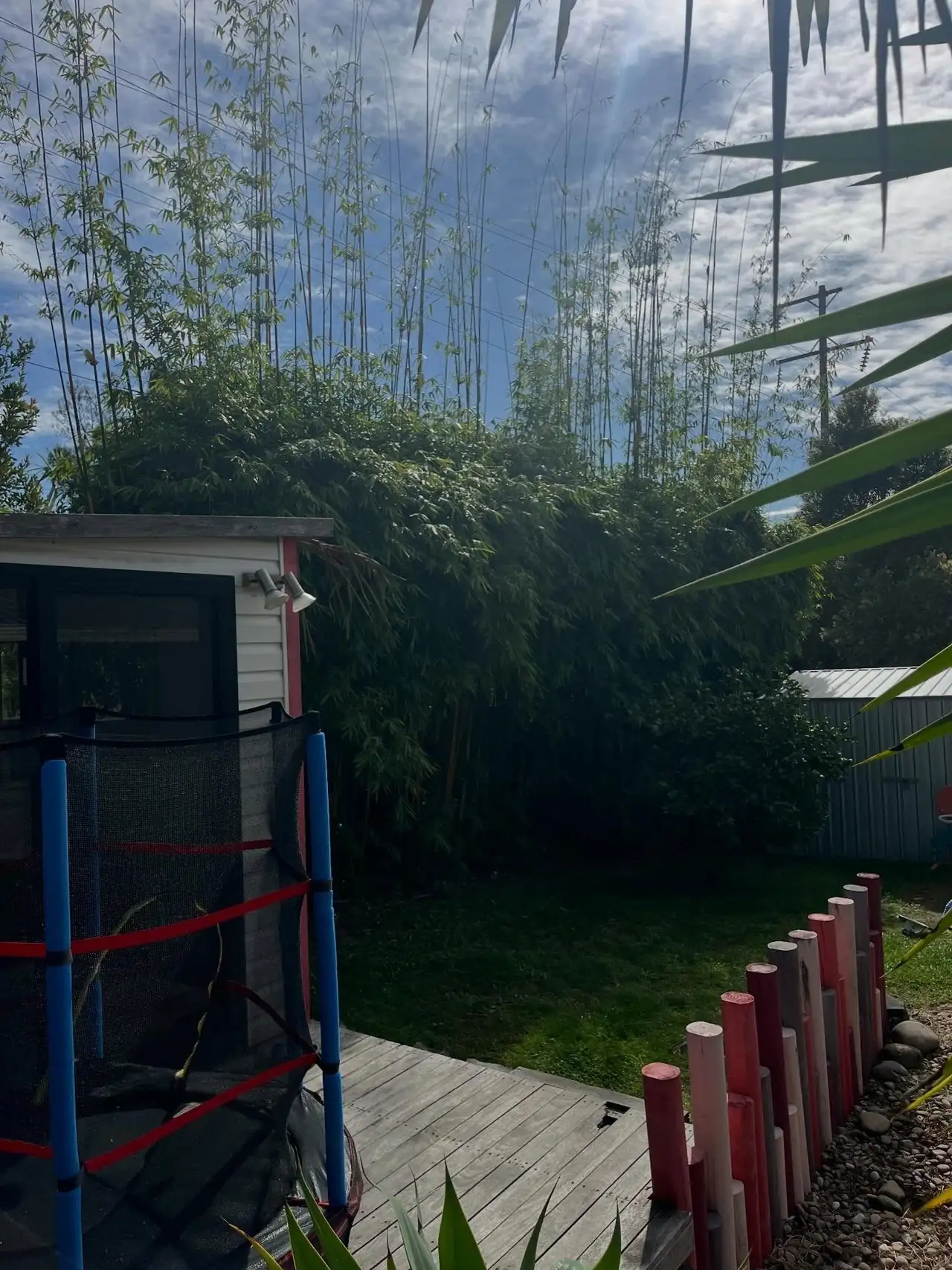
Trees and hedges on the boundary are one of the most common causes of neighbour disputes. In NSW the main law is the Trees (Disputes Between Neighbours) Act 2006, and most problems can be sorted out well before it gets that far.
Start with a conversation
Talk to your neighbour first, and follow up in writing. If the matter ever goes to court, you will need to show you made a reasonable effort to reach agreement. A short arborist assessment can help both sides understand what is actually needed.
Overhanging branches
Branches over the fence are still part of a protected tree in most cases. Central Coast Council can sometimes approve pruning of overhanging branches without the tree owner's consent, while Hornsby Shire Council generally requires a permit unless the work is exempt. Check before cutting, because pruning a protected tree without approval can lead to fines.
Trees causing damage or injury
Under Part 2 of the Act, you can apply to the Land and Environment Court about a tree on a neighbour's land that has caused, is causing or is likely in the near future to cause damage to your property, or is likely to injure someone. The Court can order work on the tree, including removal in some cases.
High hedges blocking sunlight or views
Part 2A covers hedges of two or more trees planted to form a hedge that rise at least 2.5 metres above ground and severely obstruct sunlight to a window of your home or a view from it. It does not apply to a single tree.
Evidence helps
Courts and councils rely on clear evidence. An arborist report can describe the tree's condition, the damage or risk, and practical options such as selective pruning or root barriers. Our arborist reports are prepared by an AQF Level 5 consulting arborist.
How we help
We can assess the tree, explain what work is likely to be approved, carry out hedge trimming and pruning once both sides agree, and provide a written report if you need one. This guide is general information, not legal advice.